

Railway Dogs Benevolent Fund
Registered Charity Number - 1190638
Real Help, Real Impact.
Protecting Those Who Protected You
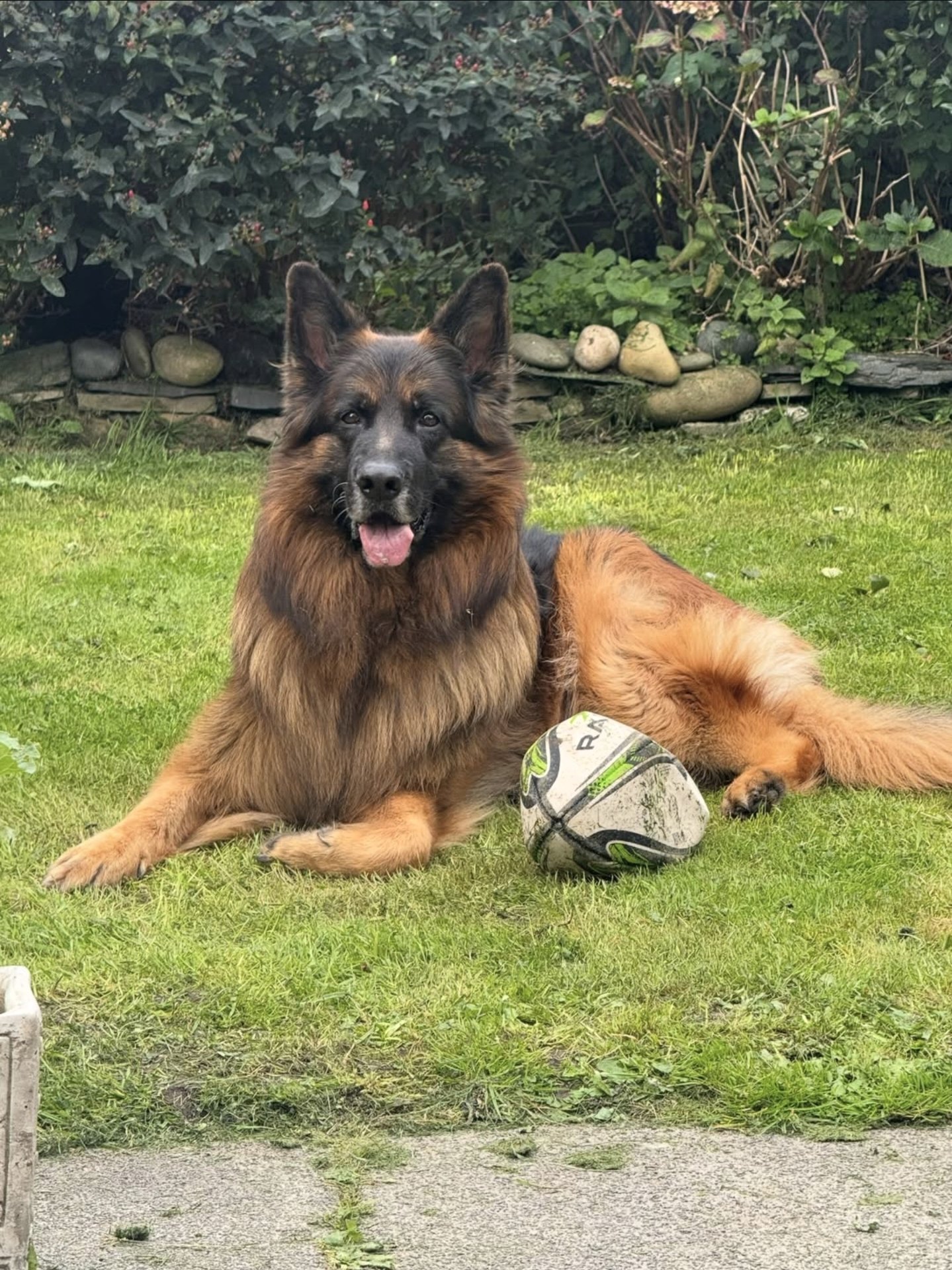
The Railway Dogs Benevolent Fund is a registered charity who honour the courageous service of British Transport Police service dogs who have dedicated their lives to protecting us. These heroes often face a tough transition into retirement, many with ongoing medical needs and no official support system.
Our hardworking volunteers are passionate in ensuring the dogs are supported after service.
WHO ARE WE?
We are dedicated to promoting the humane treatment of our loyal service dogs by providing financial assistance to their owners. This support helps cover costs of veterinary care, ongoing medical treatment and general welfare needs to ensure they enjoy a comfortable, dignified life.
WHAT DO WE DO?
The charity is a non-profit organisation. Our team of dedicated trustees work hard to raise money for grants. We also rely on kind donations made. Without donations we would not be able to support the dogs at the highest level that we pride ourselves on therefore every single donation is received and is used directly to the welfare of our heroes.
HOW CAN YOU HELP
Some of Our Dogs
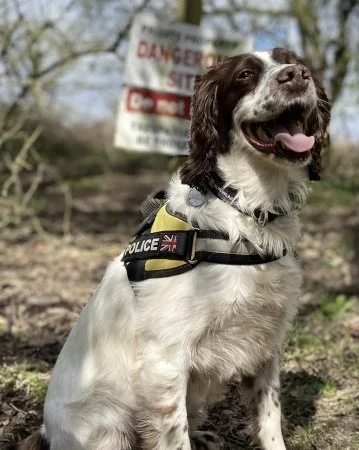
Dottie
RPD Dottie served with distinction as a trusted explosives detection police dog across the rail network and beyond. Now happily retired, she’s a true lady of leisure—trading duty for cozy days and playful walks. Her sharp instinct hasn’t faded, though: she’s swapped dangerous targets for chasing squirrels with endless enthusiasm!
Dottie’s legacy is in safe paws, leaving her free to enjoy well-earned relaxation—and her next bushy-tailed adventure.
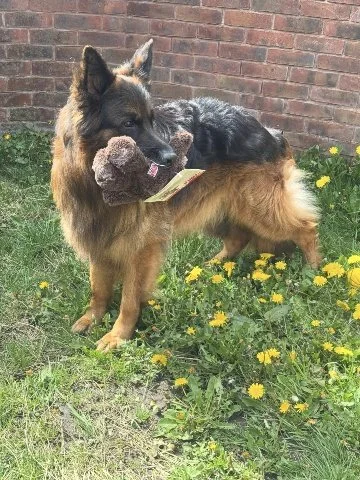
Alf
After taking early retirement in January 2026 due to elbow dysplasia and arthritis, Alf has embraced the cozy life, lounging on the sofa, cuddling his teddies, and using his puppy eyes to score double treats from his humans. Though retired, he still takes his old duties seriously with early morning wake-up calls and letterbox patrols, while discovering a passion for football that has claimed eight balls so far! He stays active with hydrotherapy and laser treatment—where he loves splashing everyone in sight—and still catches up with his handler Alex and colleagues Hera and Dougie for runs in his favourite woodland.
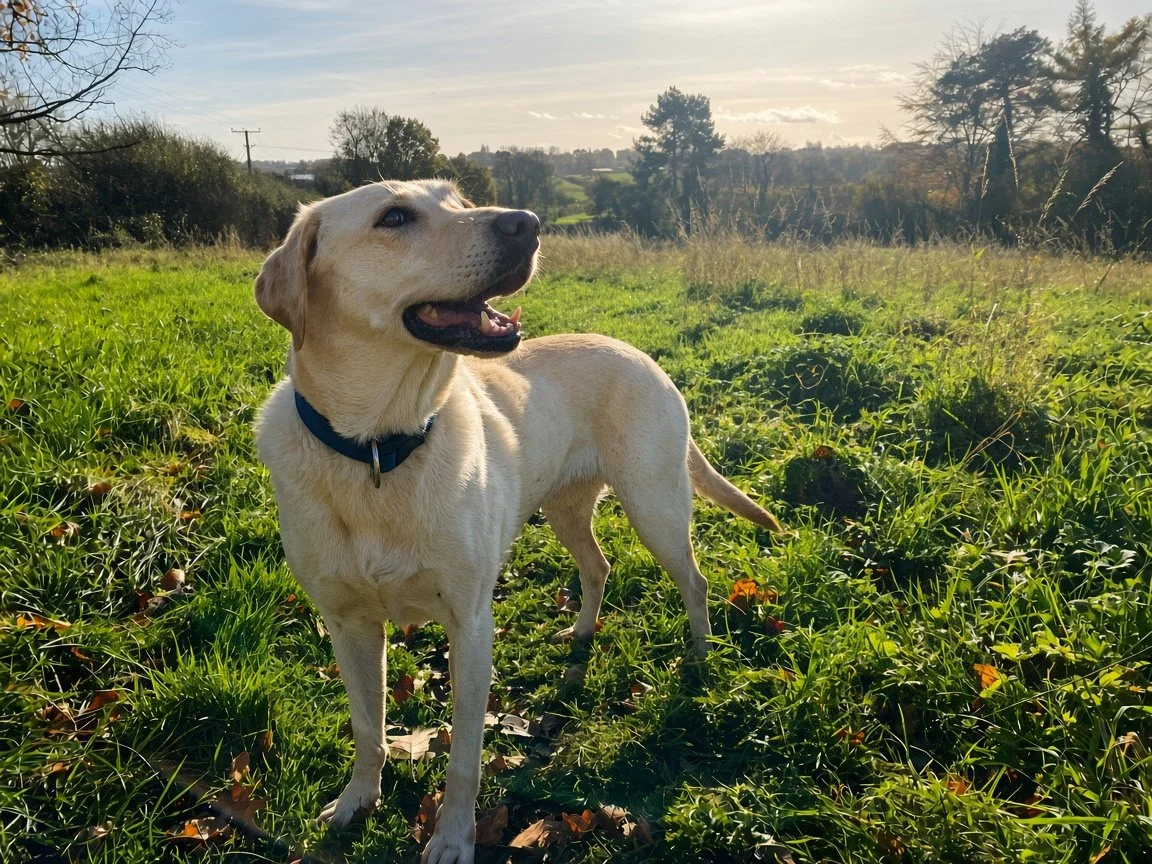
Willow
One year after retiring, Willow is thriving in her new life with PS Dan Gregory and his family. After more than six years as a people-scanning and explosives search dog, she has embraced a relaxed lifestyle while remaining as friendly and people-focused as ever. Although she initially missed operational work, Willow has settled into retirement and now volunteers at a local junior and infant school, providing comfort and support to pupils. A much-loved family member, she continues to bring joy to those around her and enjoys a happy, healthy, and well-earned retirement.
British Transport Police Dog Section History
The force was the first in Britain to use official police dogs, establishing the first British police dog section in 1908 at Hull Docks.
Early police dog experiments in Britain date back to 1888, when bloodhounds were unsuccessfully tested during the search for Jack the Ripper.
Superintendent J. Dobie and Inspector Dobson introduced the first successful police dog scheme after studying practices in Belgium, initially using Airedale Terriers.
The first police dogs, Jim, Vic, Mick and Ben, patrolled railway docks and were specially trained to assist officers at night.
After World War I, the force switched to Alsatians (German Shepherds) and expanded its dog section significantly, eventually reaching 75 dogs under Inspector John Morrell.
In the 1960s and 1970s, the force developed specialist capabilities, including some of the UK's earliest drug detection dogs. PC "Spud" Murphy helped pioneer cannabis detection by police dogs.
Budget cuts during the 1970s led to a major decline, reducing dog numbers from 52 to 22 and closing the Elstree training school.
The 1980s brought renewed development:
First BTP officer trained in explosives detection.
First female dog handler, PC Margaret Lyall.
Recognition through awards, including a British Empire Medal for Sgt Ablard.
Police dogs and handlers played important roles in major incidents, including:
The Lockerbie air disaster (1989), assisting recovery operations.
Counter-terrorism work during the 1980s and 1990s.
The 7 July 2005 London bombings, where explosive search dogs helped search attack scenes and identify further threats.
The force helped pioneer Passive Alert Detection (PAD) dogs for drugs detection. Handler Judy Bailey and dog Benji conducted more than 4,000 searches and contributed to over 1,500 arrests in their first two years.
Dog training moved to Keston, Kent, in 2010.
Today, the force operates one of the UK's largest police dog sections, with approximately 64 dogs, including:
General service dogs
Explosive detection dogs
Drug detection dogs
The dog section has a history of more than 100 years and continues to provide vital support in policing, crime detection, public safety and counter-terrorism operations